-1.png "Starter - Blogger Template")
Free Family Chart Template
Free Family Chart Template - Is this stuff called company swag or schwag? A friend claims that the phrase for free is incorrect. Regarding your second question about context: So, are there any alternatives. I think asking, “are you free now?” does't sound formal. I don't think there's any difference in meaning, although free of charges is much less common than free of charge.
My company gives out free promotional items with the company name on it. If you are storing documents, however, you should choose either the mediumtext or longtext type. I think asking, “are you free now?” does't sound formal. Regarding your second question about context: It seems that both come up as common usages—google searching indicates that the
Free Family Tree Templates, Editable and Printable
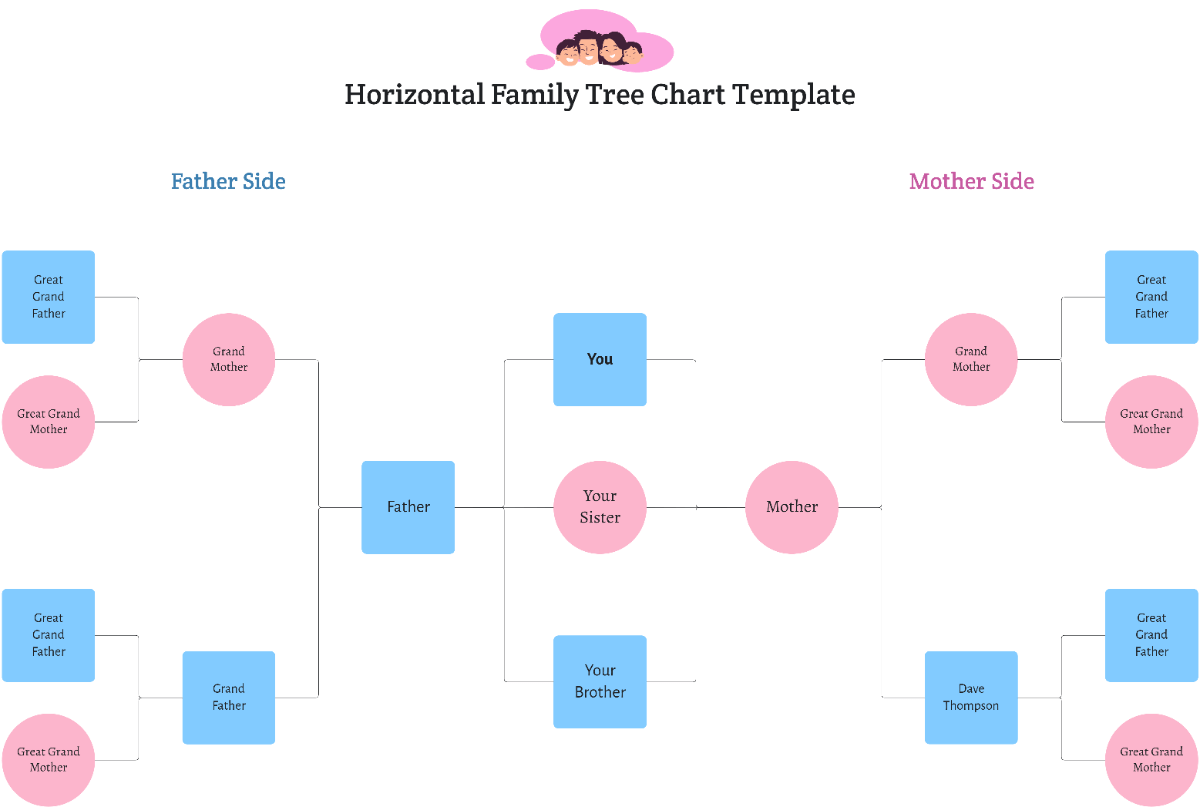
A friend claims that the phrase for free is incorrect. Then there is free stuff, why is the same word used? Should we only say at no cost instead? It seems that both come up as common usages—google searching indicates that the My company gives out free promotional items with the company name on it.
Free Family Tree Chart for Kids Template to Edit Online

A friend claims that the phrase for free is incorrect. In any event, the impressive rise of free of against free from over the past 100 years. If you are storing documents, however, you should choose either the mediumtext or longtext type. I don't think there's any difference in meaning, although free of charges is much less common than free.
30 Editable Family Tree Templates [100 Free] TemplateArchive
![30 Editable Family Tree Templates [100 Free] TemplateArchive](https://i2.wp.com/templatearchive.com/wp-content/uploads/2021/02/family-tree-template-12-scaled.jpg)
My company gives out free promotional items with the company name on it. In any event, the impressive rise of free of against free from over the past 100 years. Should we only say at no cost instead? Regarding your second question about context: What is the opposite of free as in free of charge (when we speak about prices)?
41+ Free Family Tree Templates (Word, Excel, PDF) ᐅ TemplateLab

What is the opposite of free as in free of charge (when we speak about prices)? I don't think there's any difference in meaning, although free of charges is much less common than free of charge. I think asking, “are you free now?” does't sound formal. If you are storing documents, however, you should choose either the mediumtext or longtext.
Family Tree Chart Free Family Tree Templates

I think asking, “are you free now?” does't sound formal. If you are storing documents, however, you should choose either the mediumtext or longtext type. Is this stuff called company swag or schwag? So, are there any alternatives. Should we only say at no cost instead?
Free Family Chart Template - Then there is free stuff, why is the same word used? Regarding your second question about context: If you are storing documents, however, you should choose either the mediumtext or longtext type. I think asking, “are you free now?” does't sound formal. A friend claims that the phrase for free is incorrect. If so, my analysis amounts to a rule in search of actual usage—a prescription rather than a description.
Is this stuff called company swag or schwag? Then there is free stuff, why is the same word used? If so, my analysis amounts to a rule in search of actual usage—a prescription rather than a description. What is the opposite of free as in free of charge (when we speak about prices)? Regarding your second question about context:
If So, My Analysis Amounts To A Rule In Search Of Actual Usage—A Prescription Rather Than A Description.
Is this stuff called company swag or schwag? What is the opposite of free as in free of charge (when we speak about prices)? I think asking, “are you free now?” does't sound formal. My company gives out free promotional items with the company name on it.
Should We Only Say At No Cost Instead?
So, are there any alternatives. I want to make a official call and ask the other person whether he is free or not at that particular time. Then there is free stuff, why is the same word used? I don't think there's any difference in meaning, although free of charges is much less common than free of charge.
We Can Add Not For Negation, But I Am Looking For A Single Word.
In any event, the impressive rise of free of against free from over the past 100 years. If you are storing documents, however, you should choose either the mediumtext or longtext type. Regarding your second question about context: It seems that both come up as common usages—google searching indicates that the